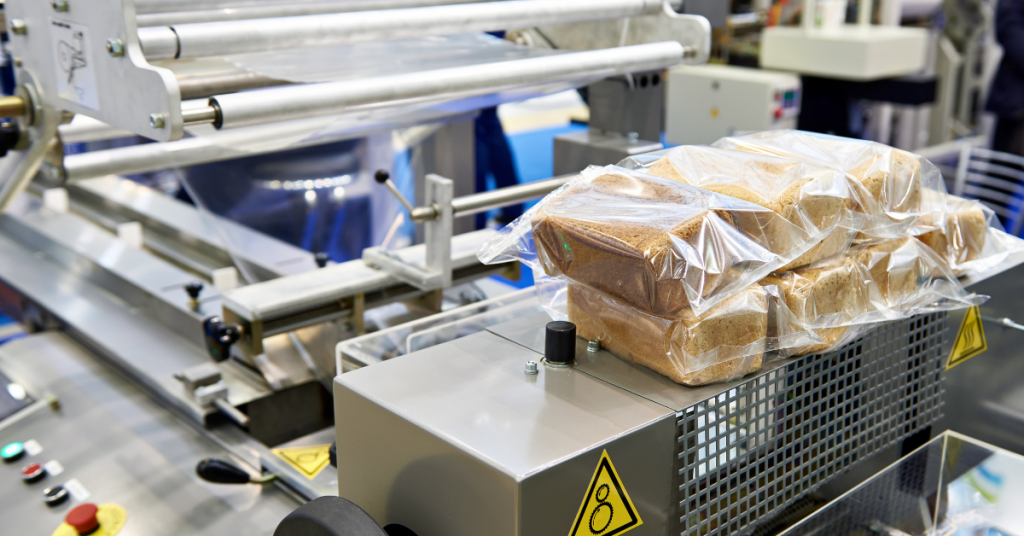
Products go through a lot before they reach the customer. They get stacked, loaded onto trucks, shipped across the country, and handled by multiple people along the way. Without proper packaging, goods can shift, get damaged, or arrive looking worse for wear.
This is why packaging equipment matters. The right machines protect products, speed up the packing process, and save money in the long run. Warehouses, factories, and distribution centres rely on these tools every day.
Why Packaging Matters in the Supply Chain
A product might be perfect when it leaves the factory floor. But by the time it reaches the store shelf or the customer’s door, anything could have happened. Boxes can get crushed. Items can shift inside their packaging. Moisture, dust, and temperature changes can cause damage.
Good packaging prevents these problems. It holds products in place, protects them from the elements, and keeps everything looking professional. For businesses, this means fewer returns, fewer complaints, and happier customers.
Packaging also affects efficiency. A well-packed pallet is easier to move and store. Products that are wrapped tightly take up less space in a truck. When packaging is done right, the whole supply chain runs smoother.
Wrapping Pallets for Stability
When products are stacked on a pallet, they need to stay put. A single box sliding off during transport can cause a chain reaction. The whole load can shift, leading to damaged goods and safety risks for workers.
A pallet wrapper solves this problem. It wraps stretch film around the entire pallet, holding everything together. The film clings tightly to the boxes and to itself, creating a secure bundle that can handle the bumps and turns of transport.
There are different types of pallet wrapping machines. Some are manual, where a worker walks around the pallet with a roll of film. Others are semi-automatic, where the pallet sits on a turntable that spins while the film is applied. Fully automatic machines handle the entire process without human input, which is useful for high-volume operations.
The benefits go beyond stability. Wrapped pallets are protected from dust and moisture. They look neater, which matters for businesses that care about presentation. And because the film holds everything tight, there is less wasted space in storage and transport.
Sealing Products for Protection
Some products need more than just wrapping. They need a sealed barrier that keeps out air, moisture, or contaminants. This is common in food, pharmaceuticals, and electronics, where exposure to the environment can ruin the product.
A sealing machine creates airtight seals on bags, pouches, or containers. Heat sealers are the most common type. They use heat to melt the edges of plastic film together, forming a bond that keeps the contents safe inside.
Sealing machines come in many sizes. Small tabletop models work well for low-volume operations. Larger industrial machines can seal hundreds of packages per hour. Some are designed for specific materials, like foil or laminated film, while others handle a range of packaging types.
For food products, sealing is often required by health regulations. A proper seal keeps bacteria out and extends shelf life. For electronics, it protects sensitive components from static and humidity. Whatever the product, a good seal adds a layer of security.
Shrink Wrapping for a Tight Fit
Shrink wrapping is another popular method. It uses heat to shrink plastic film tightly around a product or group of products. The result is a snug, protective cover that conforms to the shape of whatever is inside.
A shrink wrapper works by first loosely wrapping the product in shrink film. Then the wrapped product passes through a heat tunnel or is heated with a heat gun. The film shrinks and tightens, creating a smooth, professional finish.
This method is used for all kinds of products. Bottles of water are often shrink-wrapped together in multipacks. Books, DVDs, and software boxes get a shrink-wrapped cover for protection and tamper evidence. Even large items like furniture or appliances can be shrink-wrapped for shipping.
Shrink wrapping offers several advantages. The tight fit means the product is held firmly in place. The clear film allows customers to see the product without opening the package. And the sealed wrap provides evidence if someone has tampered with the contents.
Choosing the Right Wrapper Machine
With so many options available, choosing the right equipment can feel overwhelming. The best choice depends on the type of products being packed, the volume of output, and the available budget.
A wrapper machine for a small business will look different from one used in a large distribution centre. Small operations might do well with a manual or semi-automatic machine. High-volume facilities often need fully automatic systems that can keep up with fast production lines.
The type of product matters too. Fragile items need gentle handling. Irregularly shaped products might require adjustable settings. Food products need machines made from materials that meet hygiene standards.
Speed is another factor. Some machines can wrap dozens of products per minute. Others are slower but offer more precision. Matching the machine’s speed to the production line prevents bottlenecks.
Ease of use and maintenance should not be overlooked. A machine that breaks down often or requires complicated adjustments wastes time and money. Look for equipment with a good reputation for reliability and support.
The Cost of Poor Packaging
Skimping on packaging might save money in the short term, but it often costs more later. Damaged products mean returns and refunds. Unhappy customers mean lost sales and bad reviews. Injuries from unstable loads can lead to workers’ compensation claims.
Investing in proper equipment pays off. Products arrive in better condition. Customers are satisfied. Workers stay safe. And the packaging process becomes faster and more efficient.
It is worth doing the math. How much does the business currently spend on damaged goods? How much time is wasted on manual packing? A machine that reduces these costs can pay for itself quickly.
Keeping Equipment Running Smoothly
Like any machinery, packaging equipment needs regular care. Dust and debris can build up and affect performance. Moving parts need lubrication. Worn components need replacing before they cause a breakdown.
Setting up a maintenance schedule helps prevent problems. Daily checks can catch small issues before they become big ones. Regular servicing by a trained technician keeps everything running at peak performance.
Training staff to use the equipment properly is just as important. A machine that is misused will wear out faster and produce poor results. Taking the time to train operators saves trouble down the line.
Making the Right Choice
Packaging equipment is an investment. The right machines protect products, speed up operations, and improve the bottom line. Whether the need is for pallet wrapping, sealing, or shrink wrapping, there is equipment available to fit the job.
Taking the time to assess needs, compare options, and choose quality equipment makes a real difference. Products arrive safely, customers stay happy, and the business keeps moving forward.