Older buildings often contain materials that were installed many years ago before modern safety rules were introduced. When these materials become damaged, worn, or disturbed, they can release particles into the air. This is where asbestos mitigation becomes important. The goal is to reduce exposure and remove the danger before it affects workers or residents.
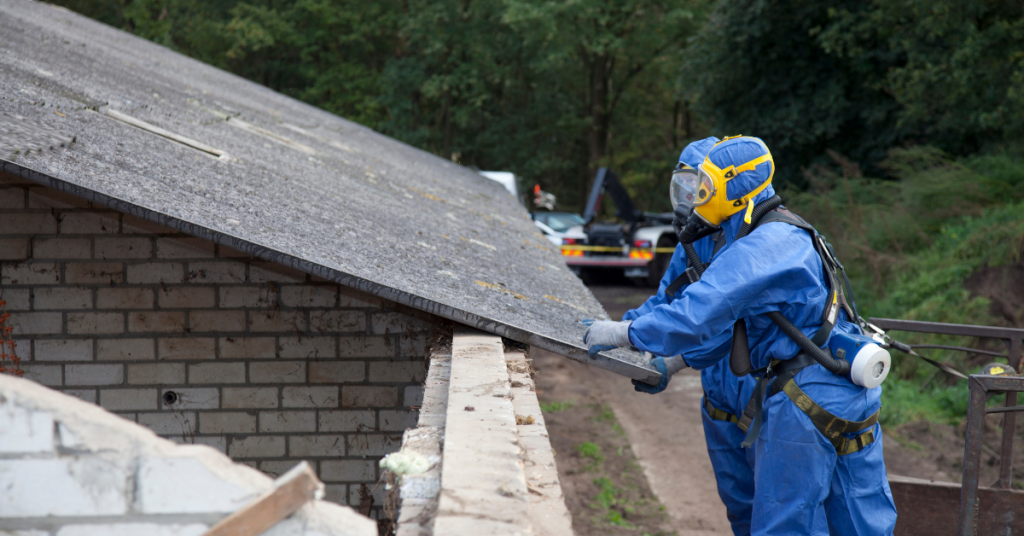
Mitigation teams inspect the building, find the source, and decide how to control the area. This can include sealing off rooms, wetting materials to prevent dust, or planning safe removal steps. Careful planning helps prevent the spread of harmful fibres.
A real example is an old school building with broken ceiling boards. When the boards start breaking apart, the fibres spread into classrooms. Mitigation steps stop the dust from moving while crews prepare for clean removal. Another example is an old garage with damaged roof sheets. The sheets crack during storms and release dust. Mitigation keeps the air clear while the next steps are arranged.
Asbestos Remediation for Long Term Safety
Removing contaminated material often requires more than a quick fix. This is where asbestos remediation plays a role. Remediation focuses on correcting the problem fully so that the building becomes safe for long term use.
The process includes identifying the areas with risk, removing damaged parts, cleaning surfaces, and checking the air quality afterward. Remediation aims to restore the space to a safe state so people can move inside without worry.
Some buildings need full removal, while others need partial removal. For example, an old flat might have asbestos around water pipes. Only the pipe insulation must be removed. A large warehouse may have roof panels that need to be taken down and replaced. Remediation handles these cases safely.
Asbestos Abatement Removal Solutions
Complete removal of contaminated material is known as asbestos abatement removal. This step is taken when the material is beyond repair or poses a clear risk. Abatement crews bring specialised tools, sealed bags, protective gear, and machines that capture dust.
The work happens in a controlled way. Rooms are sealed, ventilation is stopped, and the team works slowly to avoid disturbing the fibres. The removed material is packed in sealed containers and taken to approved disposal areas.
A common example is an old block of flats where water damaged ceilings cause fibres to fall. Another example is removing old roof sheets in factories before installing new ones. Abatement prevents the spread of harmful dust during these large jobs.
Asbestos Removalist Services
Many clients rely on a trained asbestos removalist when handling dangerous material. Removalists understand which tools to use, how to seal areas, and how to handle material without causing dust clouds.
They also check for hidden sources. For example, an old cupboard might hide broken insulation panels. A removalist spots these risks quickly. Their training helps prevent mistakes that untrained workers might make.
Removalists also guide property owners through the process. They explain which sections need removal, how long the job will take, and which steps follow afterward. This helps clients understand the work without feeling overwhelmed.
Asbestos Removal for Homes and Workplaces
The main step in making a building safe is asbestos removal. This is the process of taking out the contaminated parts entirely. Removal must be handled with care because even small pieces can release fibres if broken.
Crews follow strict safety steps during removal. They wear protective suits, use filtered masks, and keep materials wet so fibres do not float in the air. Tools are used gently so the material stays as intact as possible.
Removal is common in old homes, factories, office blocks, storage units, and public buildings. Many places built decades ago still have hidden sections of asbestos. Removal clears these areas and prepares the building for safe upgrades or new construction.
Certified Asbestos Removal Standards
Working with dangerous material requires strict checks. This is where certified asbestos removal becomes important. Certified crews follow health rules, safety steps, and proper disposal laws.
Certification shows that the workers understand how to handle risks, seal off rooms, use equipment correctly, and follow disposal steps. Property owners feel more comfortable when the team working on their building has the correct training.
Certified removal is often required by building rules, especially for commercial spaces. Inspections after removal help confirm that the building is safe for workers and visitors.
Asbestos Removal In Cape Town
Many old buildings in the coastal region still contain unsafe material. This is why clients often search for asbestos removal Cape Town when dealing with older homes or warehouses. Water damage is common near the coast, which increases the risk of fibres becoming loose.
Roof sheets in older suburbs are a common example. Years of storms crack the material, making removal necessary. Another example is factories with old insulation around large machines. Heat and moisture weaken the insulation over time, forcing complete removal.
Removal in this region must be handled carefully because windy conditions can spread dust easily. Proper sealing and safe work zones prevent fibres from reaching nearby homes.
Asbestos Treatment Before Removal
Sometimes the material must be stabilised before removal begins. This step is known as asbestos treatment. Treatment helps reduce dust so removal becomes safer.
Workers may apply special wetting solutions or sealants that keep fibres from lifting. This is common for brittle panels, old insulation, or cracked roof sheets. Once treated, the material becomes easier to handle without breaking apart.
Treatment also helps during partial removal. For example, if only one corner of a roof sheet is damaged, crews treat the area before cutting it away. This keeps the rest of the sheet stable until the job is complete.
Why Safe Asbestos Work Matters
Removing unsafe material protects the people who live or work in the building. Many older structures still contain hidden asbestos in ceilings, floors, roofs, pipes, and wall panels. When left untouched, it may not cause immediate problems. But once damaged, it becomes a serious risk.
Proper removal, treatment, mitigation, and remediation help keep the building safe while preventing long term harm.