Magnetic systems have become an important part of mining and material processing. They help separate unwanted metals, improve the quality of raw materials, and protect machinery from damage. From tramp metal removal to beneficiation, magnetic technology supports efficient and safe operations across different industries.
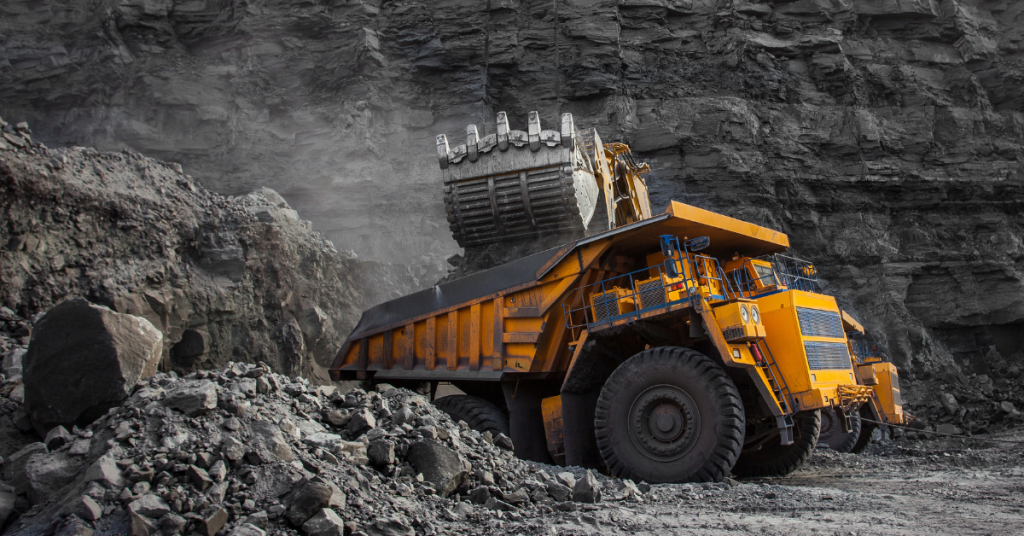
Magnetic Separation in the Mining Sector
The use of magnets in mining has grown significantly. A dry magnetic separator is one of the most practical tools for removing magnetic materials from ores without using water. This makes it ideal for environments where moisture must be controlled or avoided. It can handle fine or coarse particles and is widely used in processing plants where materials like iron or coal are separated.
The dry process reduces waste and improves efficiency. It also saves costs associated with water treatment and maintenance.
Iron and Coal Beneficiation Processes
Mining operations often focus on improving the grade of ores before they are sent for further processing. In iron ore beneficiation, magnetic separation helps remove unwanted particles from raw material, improving the overall purity of the iron. This ensures higher quality feed for smelters and reduces energy consumption during production.
Similarly, coal beneficiation improves the performance and safety of coal used in power generation and industry. By separating non-combustible materials, the process results in cleaner fuel and fewer emissions. Magnetic systems play a role here by helping remove ferrous contaminants that can affect combustion or damage grinding equipment.
Ferrochrome and Specialty Magnets
Ferroalloy processing uses specialised systems like the Ferrochrome Magnet. This magnet separates magnetic components from ferrochrome slag or concentrate. These systems handle high temperatures and heavy materials, making them well suited for metal recovery in demanding environments.
They improve recovery rates and help plants reduce waste by reclaiming valuable metal particles that would otherwise be lost.
Mining Magnets for Heavy-Duty Operations
Modern mining magnets are built to handle rough conditions in quarries and mines. They capture ferrous debris during crushing, screening, and material transport. This helps avoid machine blockages and reduces the risk of damage to crushers or conveyors.
Mining magnets come in various designs—some are permanent, and others are electromagnetic. Permanent magnets are low-maintenance and work well for continuous use, while electromagnetic systems allow operators to control the strength of the magnetic field for specific materials.
Suspended Magnets for Conveyor Protection
A suspended conveyor magnet is often mounted above conveyor belts to remove tramp metals from moving materials. This prevents damage to crushers and other downstream machinery. These systems are common in cement, mining, and recycling plants.
A related device, the suspended magnetic separator, performs a similar role but offers flexibility for heavier loads or deeper magnetic fields. It can handle materials of varying thickness and speed, keeping production lines safe and efficient.
Tramp Metal Removal
Metal contamination can cause serious problems in mining and processing plants. A tramp magnet is used to remove unwanted iron or steel pieces from bulk materials. These magnets are designed to capture both large and small fragments before they reach sensitive equipment.
Larger operations may install tramp metal magnets along multiple conveyor points to ensure full protection. This reduces downtime and prevents accidents caused by broken machinery or jammed systems.
The Role of Material Handling Magnets
Moving large quantities of ore, scrap, or other magnetic materials requires strength and precision. Material handling magnets make it easier to lift, transport, and sort heavy items safely. They can be fitted to cranes, forklifts, or overhead systems to move steel beams, iron scrap, or mined material.
These magnets improve workplace safety and speed up production by reducing the need for manual handling. They are widely used in shipyards, scrapyards, foundries, and large-scale processing plants.
How Magnetic Systems Support Safety and Efficiency
Magnetic systems are not only used for separation but also for protecting equipment. They prevent metal fragments from entering crushers, mills, or screens. This protection extends machine life and reduces repair costs.
In beneficiation plants, magnets help improve product purity, making raw materials more valuable and easier to process. In material handling, they improve workflow and safety by reducing direct human contact with heavy or sharp objects.
Environmental and Operational Benefits
Using magnetic systems supports cleaner and more sustainable mining. They reduce waste and energy consumption by allowing more precise separation and recycling of metals. By recovering valuable materials from slag or tailings, these systems help minimise environmental impact.
Magnetic separation is one of the most reliable and cost-effective technologies available in heavy industries. Whether for beneficiation, protection, or lifting, it continues to improve production efficiency and safety across multiple applications.