Feeding your dog the right food is one of the most important things you can do to keep them healthy, happy, and full of energy. With so many choices available, it helps to know what each type of food offers and how to pick the best option for your pet’s needs.
Choosing the Right Dog Food
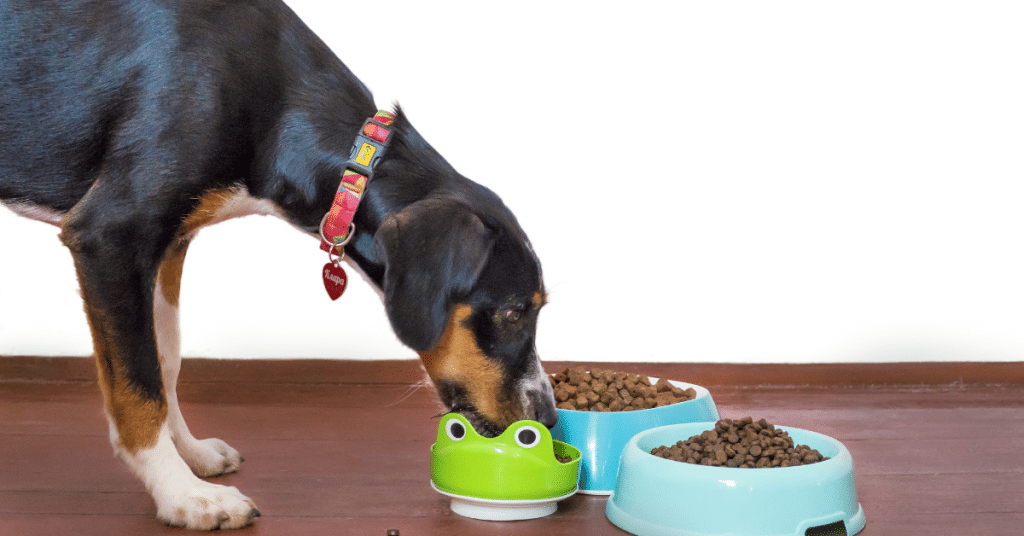
Finding the best dog food starts with knowing your dog’s age, size, and health condition. Some dogs need high-protein meals to support muscle growth, while others may benefit from lighter options if they are older or less active. Always read the labels to check for real meat, healthy fats, and essential vitamins. Avoid products with too many fillers or artificial ingredients that do not add nutritional value.
Dogs can be sensitive to certain ingredients, so it’s smart to pay attention to how they react to their meals. If your dog seems sluggish, has skin problems, or digestive issues, their diet might need adjusting. The right food helps keep their coat shiny, their energy levels high, and their immune system strong.
Taking Advantage of Dog Food Specials
Keeping your dog healthy doesn’t have to be expensive. Many pet stores and online platforms offer dog food specials throughout the year. These deals can make it easier to stock up on quality products at better prices. When shopping for these specials, it’s a good idea to stick to trusted options that your pet already enjoys, rather than switching brands too often just to save money. Sudden changes in diet can sometimes upset a dog’s stomach.
Buying in bulk during promotions can also help, especially if you have more than one dog or feed a larger breed. Just make sure to store the food properly in a cool, dry place to keep it fresh and prevent it from losing flavour or nutrients.
The Importance of Puppy Food
Young dogs have very different nutritional needs compared to adults. They are growing fast and need extra nutrients to support bone, muscle, and brain development. This is why puppy food is specially formulated with the right balance of protein, fat, and minerals. It’s important not to feed a puppy the same food as an adult dog, as it might not give them the energy or nutrients they require.
When transitioning your puppy from milk to solid food, do it gradually. Start by mixing a little solid food with water to make it easier to chew and digest. Once they are comfortable, you can slowly reduce the water content. Keep an eye on their growth and consult your vet if you’re unsure how much or how often to feed them.
Understanding Dog Food Brands
There are many dog food brands on the market, each claiming to be the best. The truth is, not all are equal in quality. Some focus on premium ingredients and balanced nutrition, while others rely heavily on marketing. When comparing brands, look beyond packaging and advertising. Check the ingredient list, protein source, and whether the product includes unnecessary additives or colourants.
Some brands specialise in grain-free recipes, which can be helpful for dogs with allergies or sensitivities. Others use whole grains that provide fibre and energy. It’s not about choosing the most expensive brand but rather the one that fits your dog’s needs. Dogs with sensitive stomachs may prefer simple formulas, while active dogs might do better with high-protein meals.
Homemade vs. Store-Bought Options
Many dog owners consider preparing homemade meals. While it might seem like a healthy choice, it can be tricky to provide the right balance of nutrients without expert guidance. Store-bought food is usually designed to meet all of a dog’s dietary requirements, making it easier to maintain consistency.
If you do make homemade meals, always include the essential nutrients your dog needs, such as protein, carbohydrates, fats, vitamins, and minerals. Avoid giving dogs foods that are toxic to them, such as chocolate, onions, grapes, or avocado. For most pet owners, store-bought options remain the simplest and safest way to ensure balanced nutrition.
Feeding Schedule and Portions
No matter how good your dog’s food is, the way you feed them matters too. Establishing a feeding schedule helps with digestion and keeps their weight under control. Most adult dogs do well with two meals a day, while puppies may need three to four smaller meals. Always check the recommended portion size on the packaging, as overfeeding can lead to obesity and health issues.
Use a proper measuring cup rather than guessing portions, and adjust based on your dog’s activity level. If your dog is active or spends a lot of time outdoors, they may need slightly more food than one who stays indoors most of the time.
Keeping Hydration in Mind
Water is often overlooked but just as important as food. Dogs need access to clean, fresh water at all times. Dry food, especially, can make them thirsty, so keep an eye on their water bowl and refill it regularly. A well-hydrated dog digests food better and maintains healthy organs.
Spotting Signs of Good Nutrition
A balanced diet shows in your dog’s appearance and behaviour. Shiny fur, clear eyes, healthy skin, and steady energy are good indicators. If you notice sudden changes like dull fur, low appetite, or fatigue, it might be time to reconsider their diet. Regular vet visits help ensure their nutritional needs are being met.
Feeding a dog properly is one of the simplest ways to keep them healthy and content. The type of food you choose, how often you feed them, and the quality of ingredients all play a big role in their overall well-being. A balanced diet supports growth, improves energy, and helps maintain a shiny coat and strong immune system. Whether you have a puppy or an adult dog, paying attention to their specific needs makes a big difference. Keeping their feeding routine consistent, offering clean water, and avoiding unnecessary additives will help them stay in good shape. Over time, the effort you put into their nutrition will reflect in their happiness, behaviour, and the bond you share together.