Spills are part of everyday life. They happen in warehouses, workshops, garages, and even in homes. While a small spill may seem harmless, repeated leaks or drips from equipment, vehicles, or containers can cause bigger problems. That is where drip trays come in. These simple but useful products help keep spaces clean and safe.
What Is a Drip Tray?
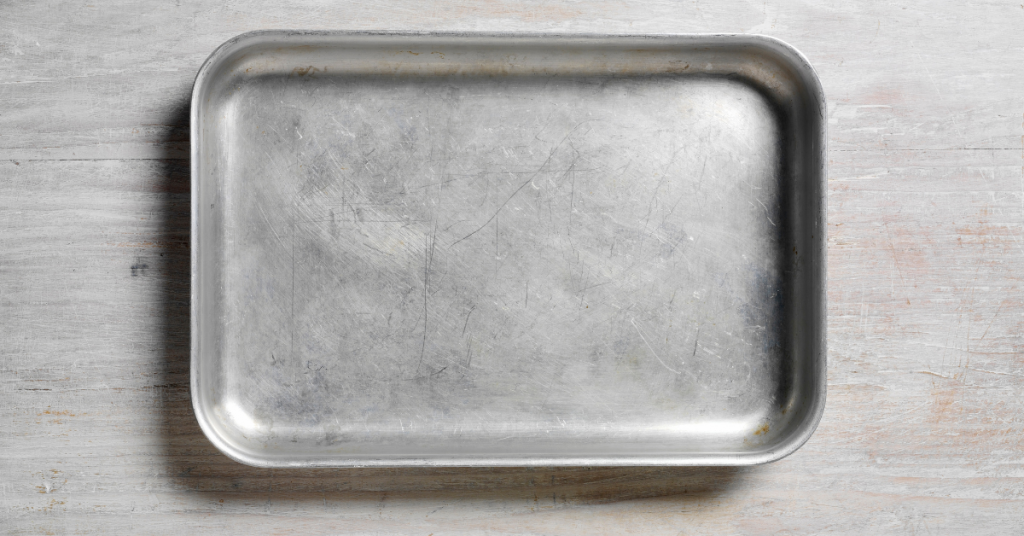
A drip tray is a shallow container designed to catch and hold liquids that leak from machinery, containers, or vehicles. It may look like a basic item, but its purpose is important. By collecting oil, fuel, or even water, it prevents stains, damage, and safety risks.
Think of it as a first line of defence. Instead of liquid spreading across the floor, the tray contains it in one place. This makes it easier to clean up and reduces the chance of slips, corrosion, or contamination.
Common Uses of Drip Trays
Drip trays are used in a wide range of industries and daily settings. In a workshop, they are placed under cars to catch oil while servicing engines. In factories, they sit under machinery to capture leaks during production. Farmers use them around pumps or generators to prevent oil from dripping into the soil.
Even at home, drip trays are handy. Many people put them under garden equipment, small appliances, or containers of chemicals to keep their garage or shed neat. The uses are endless, and the benefits extend to both safety and maintenance.
Why Drip Trays Are Needed in Industries
Workplaces often deal with fuels, oils, chemicals, and other liquids that can cause harm if not controlled. Spilled fuel in a warehouse can damage stock, create a fire risk, or lead to costly clean-ups. By placing drip trays under key equipment, these risks drop.
In the transport sector, drip trays are common at depots and workshops. Trucks or buses may leak oil during routine servicing. A tray ensures those leaks do not end up on the floor, where they could spread. In food processing or packaging areas, trays stop water or cleaning solutions from pooling where people walk.
In all these cases, a simple tray prevents accidents and protects both people and property.
Materials Used for Drip Trays
Drip trays can be made from different materials. Plastic versions are popular because they are lightweight and resistant to many chemicals. Steel trays are common in heavy-duty settings, as they can handle hot oils or heavy machinery. Some are even made with absorbent pads inside, which soak up liquids immediately.
The choice depends on the type of liquid being collected and where the tray will be used. For example, a factory handling chemicals may use plastic trays that are non-reactive, while a garage may use steel trays that can withstand higher temperatures.
Benefits Beyond Safety
The main benefit of drip trays is safety, but there are other advantages. By keeping areas clean, they extend the life of floors, carpets, and equipment. They also reduce time spent cleaning, since workers do not have to scrub stains or mop up spilled liquids repeatedly.
From a financial perspective, drip trays save money. One spill may not seem expensive, but constant leaks over time can damage floors or stock, leading to bigger repair or replacement costs. Using trays is a cost-effective way to prevent long-term damage.
How to Choose the Right Drip Tray
Choosing the right tray depends on a few factors:
- Size of the area: A small tray may be fine for a household item, but large machinery might need a wider or deeper tray.
- Type of liquid: Some liquids may react with certain materials, so it is important to match the tray material with the liquid being collected.
- Ease of cleaning: Trays should be easy to empty and wash, especially if used regularly.
- Portability: In some cases, having a lightweight tray that can be moved easily is helpful.
A good tray is one that matches the need and is practical to use in that setting.
Where to Get Drip Trays
There are many drip tray suppliers that provide options in different shapes, sizes, and materials. Some suppliers specialise in industrial use, while others focus on more general or household trays.
When buying, it helps to think about the long-term use. Cheaper options may not last, especially in tough environments, so picking quality trays often pays off.
Real-Life Example
A transport company once had constant oil stains on the floor of their workshop. Staff spent hours every week cleaning, but the stains still built up. They also had a slip accident because of leaked oil. After introducing drip trays under each vehicle during servicing, the floor stayed clean. Workers saved time, and accidents were reduced. What seemed like a small change made a big difference.
Another example is a farmer who kept a small generator near crops. Fuel drips were damaging the soil and affecting growth. By placing a drip tray under the generator, the farmer solved the problem easily and protected the land.
Final Thoughts
Drip trays may look simple, but they play a big role in keeping spaces clean and safe. From workshops and factories to homes and farms, they prevent damage and reduce risks. Whether made of plastic or steel, small or large, a tray that catches leaks is an easy solution to a common problem.
Conclusion
Drip trays might seem like a small addition, but their impact on safety, cleanliness, and cost savings is significant. In both workplaces and homes, leaks and spills are more than just messy, they can cause long-term damage, safety hazards, and unnecessary expenses. By containing liquids at the source, drip trays stop problems before they spread, making clean-ups faster and reducing the risk of slips, corrosion, or contamination. They also protect floors, equipment, and even soil, showing their value in industries, transport depots, farms, and household settings alike.
Employers and homeowners who invest in proper drip trays are not just preventing accidents, they are actively protecting people, property, and the environment. With options available in different sizes, materials, and designs, there is a solution for almost every scenario. Choosing the right tray ensures durability and efficiency, whether for heavy machinery, fuel storage, or simple household needs. Real-world examples show how a small change, like adding drip trays, can save time, improve safety, and lower costs. In short, drip trays are more than just containers, they are reliable safeguards that deliver ongoing benefits wherever they are used.