Asbestos was once used in many buildings because it was strong and fire-resistant. But it’s now known to be dangerous. When materials containing asbestos are disturbed, tiny fibres can get into the air. Breathing these fibres in over time may lead to serious health issues. That’s why proper asbestos removal is so important.
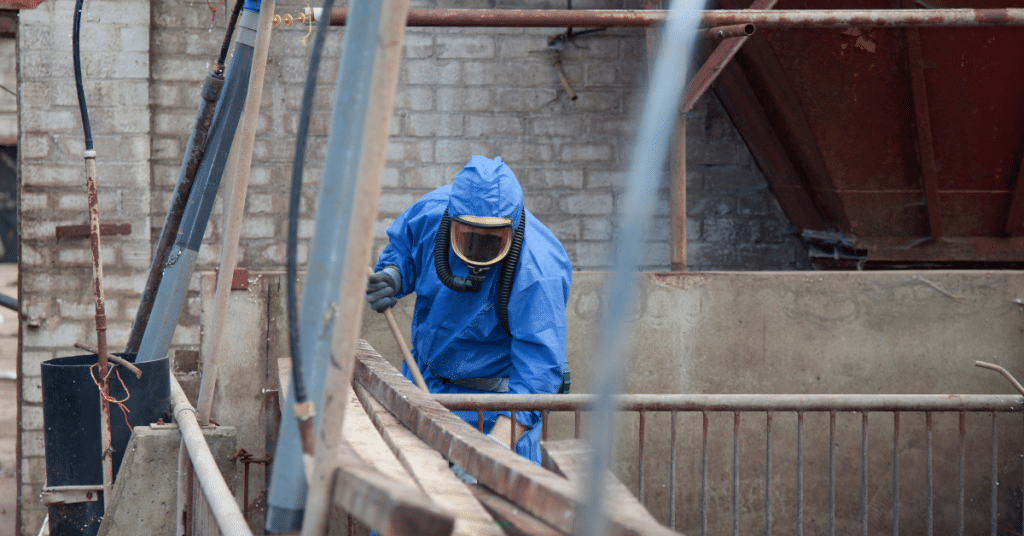
Understanding Asbestos Risks
Not all asbestos is visible. It’s often hidden in old roofing, ceilings, flooring, insulation, and even in cement products. You won’t always know it’s there until work begins on a property. That’s why before any renovation or demolition, it’s important to check if asbestos treatment is needed.
Once identified, only trained professionals should handle the material. Doing it yourself or hiring someone without proper knowledge is dangerous and may also be against the law.
What Is Asbestos Mitigation?
Asbestos mitigation is the process of managing asbestos safely. This doesn’t always mean full removal. In some cases, the material can be sealed, covered, or isolated to prevent fibres from being released. It depends on the condition of the material and whether it’s likely to be disturbed.
If the asbestos is already damaged or will be affected by upcoming work, removal is the safest option.
Choosing the Right Asbestos Removalist
When dealing with dangerous material, you want someone who knows what they’re doing. A certified asbestos removalist follows strict safety steps. They’ll assess the site, wear protective gear, seal off the area, and use special equipment to remove the material safely.
They’ll also make sure that the waste is bagged, labelled, and taken to an approved disposal site. The area is cleaned before being reopened to make sure no fibres are left behind.
Why Certified Asbestos Removal Matters
Not all contractors are trained to handle asbestos. Certified asbestos removal means the person or team doing the job has been properly trained. They follow safety rules that protect workers and anyone nearby.
Certification also means they understand local laws about transport and disposal. That’s important, especially if you’re selling or renovating a property. Many building inspectors will ask for proof that asbestos work was done properly.
What Asbestos Remediation Involves
Asbestos remediation includes both removal and making sure the area is safe again. After taking out asbestos, air tests may be done to confirm that no fibres remain. This gives peace of mind to property owners and anyone working in the space afterward.
It’s also a way to avoid future legal or safety problems. A clean, signed report shows that the right steps were taken and that the area is now safe to use.
When to Consider Asbestos Abatement Removal
Asbestos abatement removal is a full-service solution. It covers everything from start to finish—testing, sealing off the site, removing the material, cleaning the area, and disposing of the waste.
This option is best when the material is damaged or crumbling, or when demolition or major renovation is planned. If the material can’t be left alone, removal is usually the safest route.
Asbestos Removal in Cape Town and Surrounds
If you’re in the Western Cape, asbestos removal Cape Town services are available for homes, offices, schools, and factories. These teams understand the local area, building types, and legal requirements. That helps avoid delays and makes the process smoother.
Many older buildings in the region still contain asbestos, especially in roof sheeting, ceiling boards, and guttering. Property owners doing repairs or upgrades should always check first before starting work.